
Traditional Liturgy, by Randall Smith

US Catholic Seminaries Said to Be in a ‘Golden Age’, by Stephen Beale
July 22, 2025
Pope Leo Mourns Catholic Church Victims in Gaza, Calls War ‘Barbarism’, by Elise DeGeeter
July 22, 2025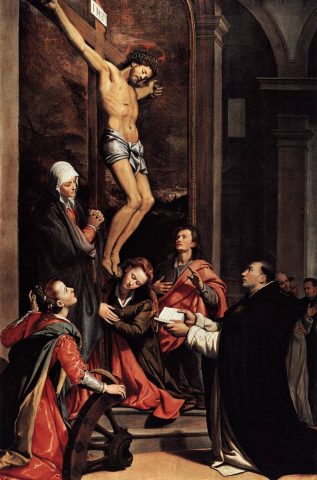
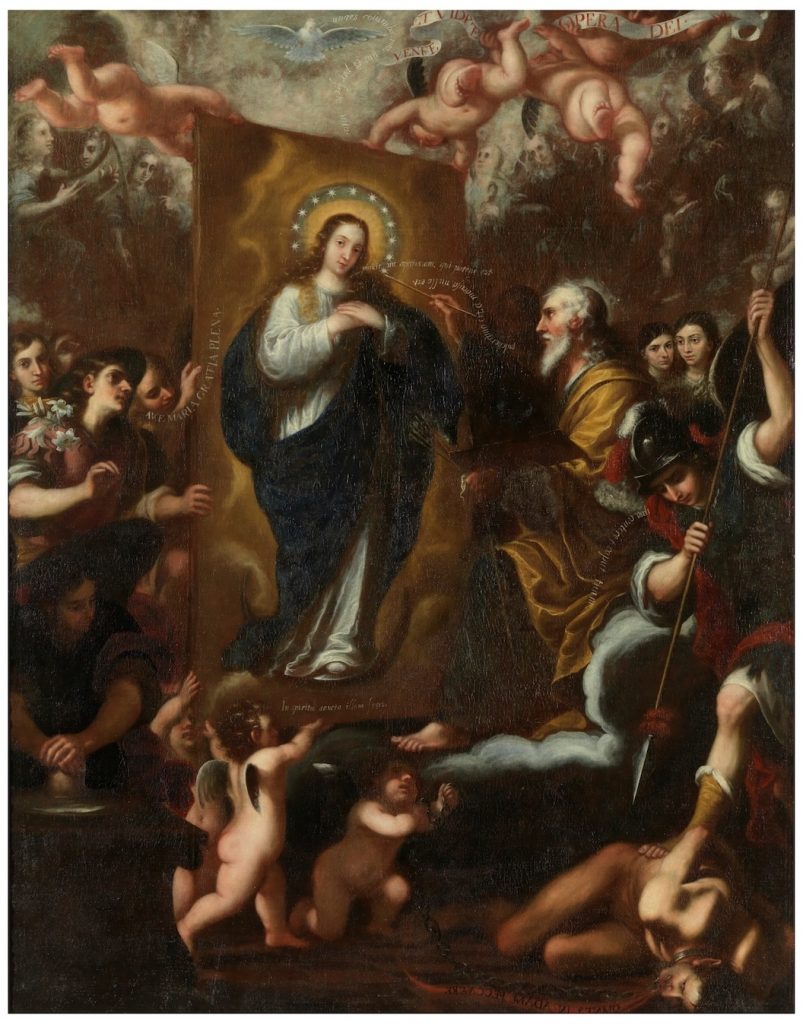
Vision of St Thomas Aquinas by Santi di Tito, 1593 [Basilica San Marco, Florence, Italy]
By Randall Smith, The Catholic Thing, July 22, 2025
Randall B. Smith is a Professor of Theology at the University of St. Thomas in Houston, Texas. His latest book is From Here to Eternity: Reflections on Death, Immortality, and the Resurrection of the Body.
Related posts
December 8, 2025

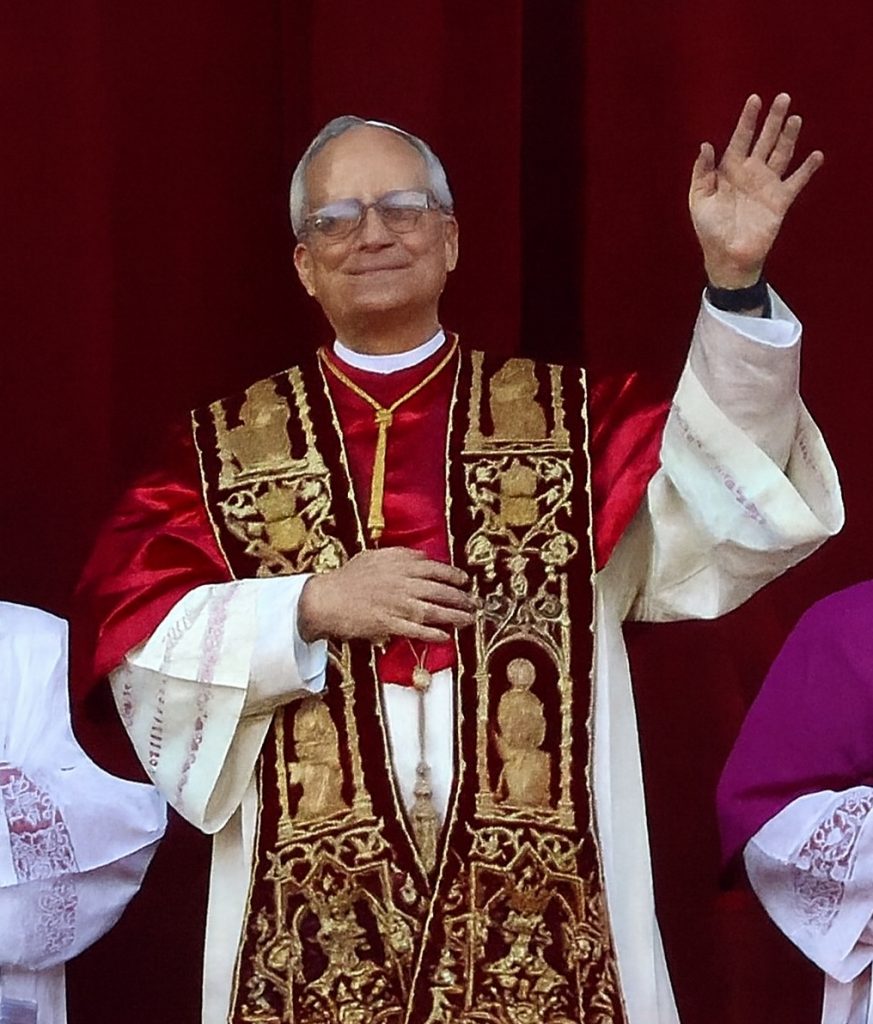
Pope Leo XIV on the loggia after his election. May 8, 2025. This work is free and may be used by anyone for any purpose. If you wish to use this content, you do not need to request permission as long as you follow any licensing requirements mentioned on this page... The Wikimedia Foundation has received an e-mail confirming that the copyright holder has approved publication under the terms mentioned on this page. ..
December 8, 2025
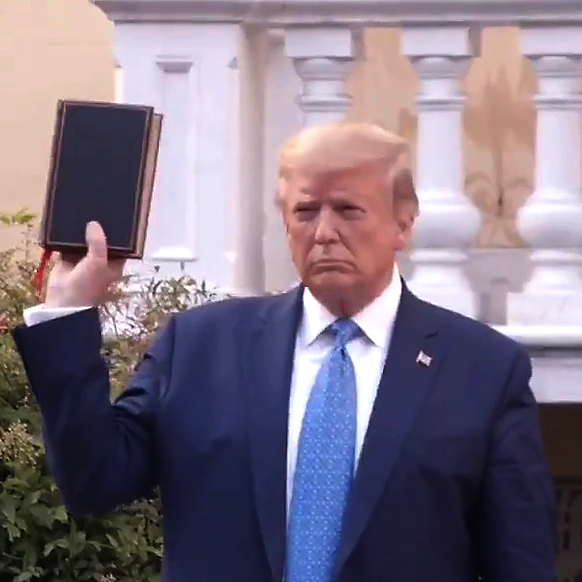
Trump holding bible at St. John's Church, a frame captured from video released by the White House on Twitter the night after the en:Donald Trump photo op at St. John's Church. June 2, 2020. ... This file is a work of an employee of the Executive Office of the President of the United States, taken or made as part of that person's official duties. As a work of the U.S. federal government, it is in the public domain.
December 8, 2025