
Rooted in Christ, by Regis Martin

Bishop Strickland Warns Against Complacency After 2024 Elections: ‘We’ve Got to Seize This Moment’
November 8, 2024
No, Trump’s Too-Big-To-Rig Victory Doesn’t ‘Lay To Rest’ Election Integrity Issues, by Logan Washburn
November 9, 2024
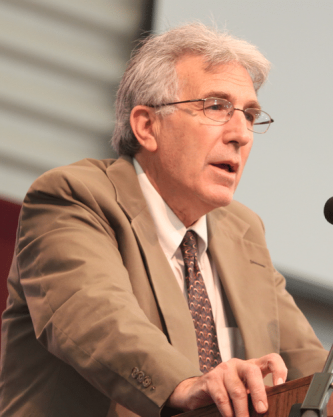
Screenshot. Regis Martin, Crisis Magazine, Nov. 9, 2024
By Regis Martin, Crisis Magazine, Nov. 9, 2024
Regis Martin is Professor of Theology and Faculty Associate with the Veritas Center for Ethics in Public Life at the Franciscan University of Steubenville. He earned a licentiate and a doctorate in sacred theology from the Pontifical University of St. Thomas Aquinas in Rome. …
Above all, St. Augustine wished to remain faithful to the grace of an encounter that had upended his life.
Editor’s Note: This is the eighth in a series of articles on St. Augustine, one of the greatest of Church Fathers, and how his writings still apply today.
 From the first moment of his conversion, rivetingly recounted in the pages of his Confessions, Augustine rooted himself in Christ, determined to cleave to his person and the redemption wrought by the sacrifice of his life. Not as mere idea, distant and remote, toward which he would now and again direct his attention.
Related posts

December 6, 2025

December 6, 2025