
Give Your Kids a Christmas Present: Reading! by John M. Grondelski

Saint of the Day for December 17: Saint Hildegard of Bingen
December 17, 2025
70% of Abortion Businesses Operating in 1991 Have Closed, Over 1,500 Shut Down, by Sarah Neely
December 17, 2025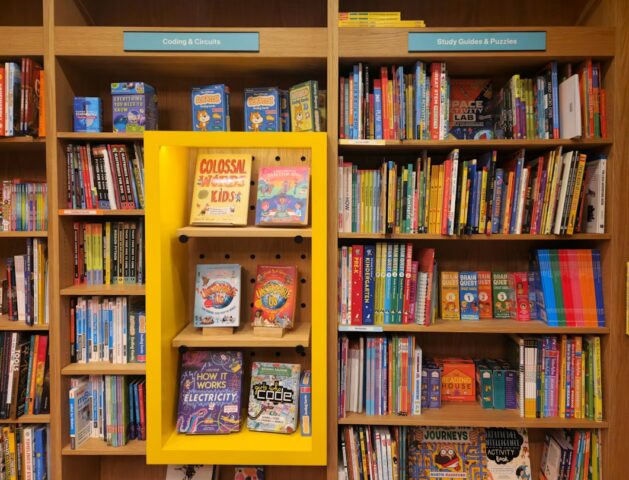
Zoshua Colah. Unsplash. Unsplash
By John M. Grondelski, Crisis Magazine, Dec. 17, 2025
John M. Grondelski (Ph.D., Fordham) is a former associate dean of the School of Theology, Seton Hall University, South Orange, New Jersey. All views expressed herein are his own.
Parents used to have to go to extraordinary measures to put their kids ahead in life. Now they can do it by simply giving the gift of reading books, and there is no better time to start!
 The New York Times ran a December 12 feature whose thesis is depressingly simple: American elementary and secondary students no longer read full-length books. The title says it all:
 Related posts


March 4, 2026