
St. Homobonus: Patron Saint of Honest Work and Generous Living, by Kathy Schiffer

The SSPX, the Truth, and Charity, by Kennedy Hall
February 6, 2026
The Elitist Media Continue Omitting Horrific Illegal Alien Crimes, by Jorge Bonilla
February 6, 2026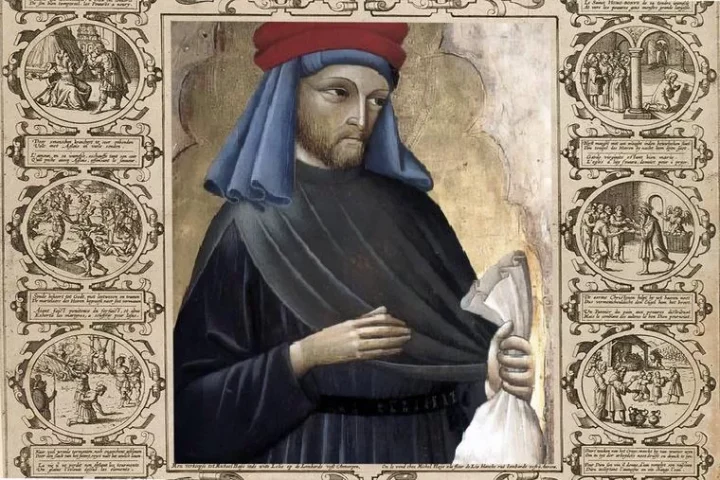
Frame: Pieter de Jode II, “Sts. Bonifacius and Homobonus,” 17th Century, Metropolitan Museum of Art, New York. Center: Unknown, “St. Homobonus.” (photo: Wikimedia Commons / Public Domain)
By Kathy Schiffer, National Catholic Register, January 30, 2026
Kathy Schiffer is a Catholic writer whose work has appeared in the National Catholic Register, Catholic World Report, Crisis Magazine, Family Theater Productions, Evangelization and Culture, Aleteia, Zenit, the Michigan Catholic, Legatus Magazine, and other Catholic publications. …
COMMENTARY: A married layman and successful businessman, St. Homobonus showed how integrity at work and love of neighbor can lead to holiness.
 Have you ever heard of St. Homobonus?
Omobono Tucenghi (also called “Homobonus,” which means “good man”) was a 12th-century tailor from the town of Cremona, on the bank of the Po River in northern Italy. He was a married layman who inherited a large estate from his father, a successful tailor and merchant. Homobonus was humble and generous, believing that God had permitted him to be successful in business so that he might donate a large proportion of his income to help the poor.
Homobonus and his wife lived simply, choosing modest accommodations and dress so that they could give most of their income to help people living in poverty. Homobonus also stepped in to pay for the funerals of persons who were abandoned or who had no means of covering funeral expenses. …
Related posts


Main building at the University of Notre Dame. October 2015. Author Eccekevin. ... I, the copyright holder of this work, hereby publish it under the following license: w:en:Creative Commons. attribution share alike This file is licensed under the Creative Commons Attribution-Share Alike 4.0 International license. ...