
Human Dignity and America’s 250th, by Robert Royal

How the SSPX Preserved Single-Sex Catholic Education, by Ashlyn Thomas
June 30, 2026
Daily Scripture Readings and Meditations: Why Are You Afraid, O Men of Little Faith?
June 30, 2026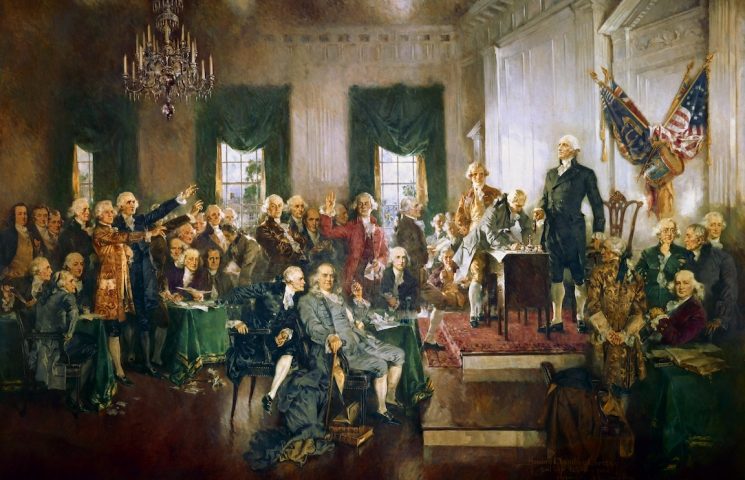
The Signing of the Constitution of the United States by Howard Chandler Christy, 1940 [House of Representatives, Washington, D.C.]. See below for a key to the figures depicted in the painting.
By Robert Royal, The Catholic Thing, June 30, 2026
Robert Royal is editor-in-chief of The Catholic Thing and president of the Faith & Reason Institute in Washington, D.C. His most recent books are The Martyrs of the New Millennium: The Global Persecution of Christians in the Twenty-First Century, Columbus and the Crisis of the West , and A Deeper Vision: The Catholic Intellectual Tradition in the Twentieth Century.
Note: In line with the column below, we call your attention to the series of brief commentaries on the Catechism of the Catholic Church that Fr. Gerald Murray is doing for the Faith & Reason Institute. Click here for details. You’ll be happy you did. – RR
 Like many Americans, I’ve been refreshing my knowledge of the American Revolution in anticipation of July 4 this year. And, at the same time, I’m finding myself comparing the Founders’ notions of human dignity with the way the term is frequently being used these days, even within the Church.
Continue reading >>>>>>>>>>
Related posts

Main building at the University of Notre Dame. October 2015. Author Eccekevin. ... I, the copyright holder of this work, hereby publish it under the following license: w:en:Creative Commons. attribution share alike This file is licensed under the Creative Commons Attribution-Share Alike 4.0 International license. ...
June 30, 2026


June 30, 2026