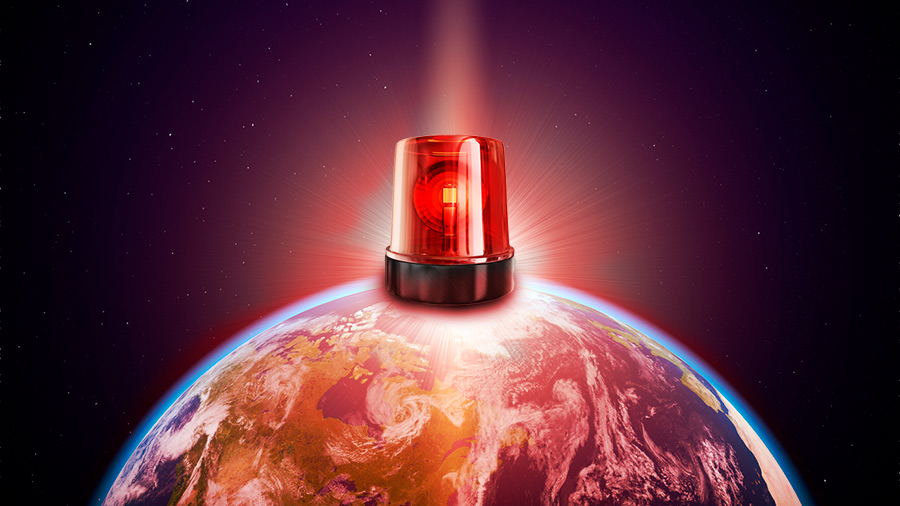
The Perpetual Climate Panic Machine ‘Collapses’, by Tim Graham
January 19, 2026Fr. Jerry J. Pokorsky: “I Am Not a Racist!”
January 19, 2026
By Fr. Francesco Giordano, STD, Catholic Exchange, Jan. 19, 2026
Fr. Francesco Giordano, STD is Director of Human Life International’s Rome Office and a diocesan priest and professor in Rome, Italy, currently teaching at both the Angelicum and The Catholic University of America. He publishes regularly at Human Life International and appears on Vita Umana Internazionale YouTube channel.
 In a conversation with a friend this last Octave of Christmas, a story by Italian philosopher Marcello Veneziani came to mind, since the two of us have been reading his latest book. The episode is recounted by the philosopher as he considers Friedrich Nietzsche, together with Karl Marx, among the thinkers who have most decisively shaped the modern world.
Christmas, 1885. In the south of France, Nietzsche spends the holiday in solitude. Far from his family, he wears a necklace of hair woven by his mother—the last fragile bond to home. When a package arrives from his family, Nietzsche’s poor eyesight betrays him; the money enclosed slips from his hands and is lost. Writing to his sister, he asks forgiveness for his clumsiness and adds a strange hope—that some poor old woman may have found the money, and along the way discovered her “Little Jesus.” (M. Veneziani, Nietzsche e Marx) ….