

Fr. Jerry Pokorsk: Silently Sharing the Same Fears

Irony Alert: Trads Follow Vatican II on the Liturgy Better Than the Novus Ordo World Follows It, by Peter Kwasniewski
March 31, 2026
Report: Christian Communities Face Attacks in Nigeria, Syria, Lebanon, and West Bank Ahead of Triduum, by Mary Rose
March 31, 2026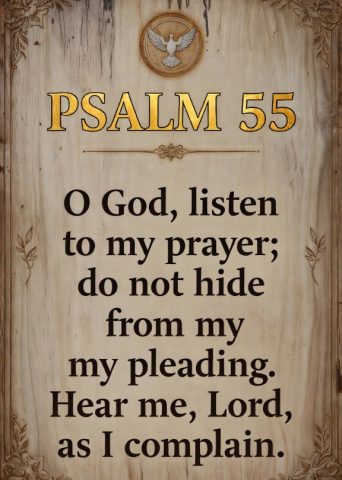
Image by Grok
By Fr. Jerry Pokorsky, Catholic Culture, March 30, 2026
Fr. Jerry Pokorsky is a priest of the Diocese of Arlington who has also served as a financial administrator in the Diocese of Lincoln. Trained in business and accounting, he also holds a Master of Divinity and a Master’s in moral theology. Father Pokorsky co-founded both CREDO and Adoremus, two organizations deeply engaged in authentic liturgical renewal. He writes regularly for a number of Catholic websites and magazines . See full bio.
 During the 1960s age of existentialist folk tunes, a popular song was titled “Old Friends.” It was hauntingly beautiful, yet lacked the hope of resurrection. The poetry described two old friends, sitting on a park bench like bookends. The lyricists sang, “How terribly strange to be seventy.” The story ends unresolved: “Old friends. Memory brushes the same years. Silently sharing the same fears.”
Pagan stoicism has its merits, but most of us are not silent in our fears; we complain. This theme of complaining is ancient. Lament can bring us into conversation with God—or undermine our trust in Him.
Penitents concerned about their prayer life during trials should take consolation from Psalm 55: “O God, listen to my prayer; do not hide from my pleading. Hear me, Lord, as I complain.” It is holy and fitting to use fear and suffering to turn to God in prayer and complaint—provided we do not make Him the object of our anger. We honor God when we turn to Him and acknowledge His supremacy. Yet it is more common to disengage from God and complain apart from faith. …
Related posts
March 31, 2026

March 31, 2026

March 31, 2026