
Good Manners Glorify God, by Dom Cingoranelli

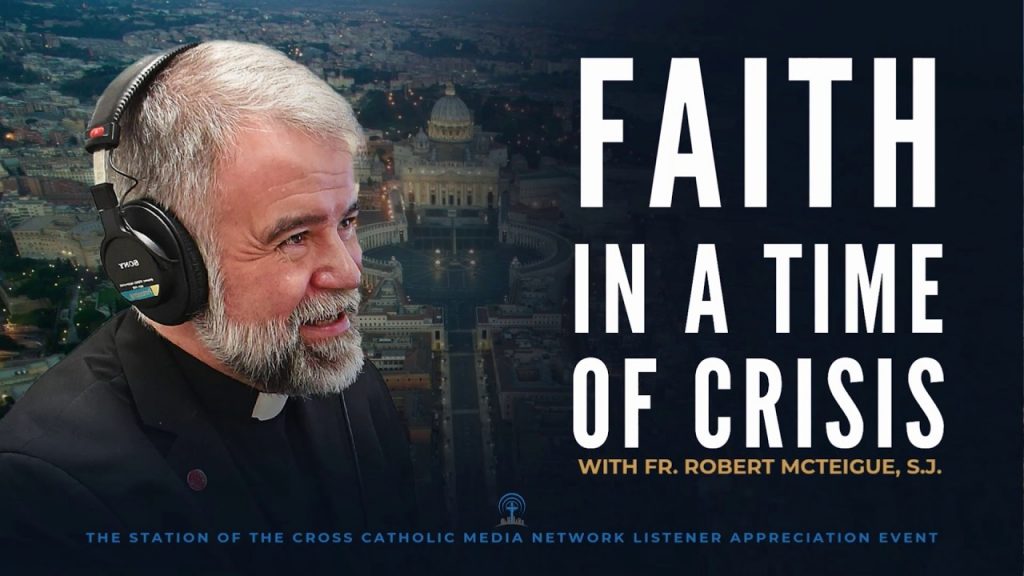
WATCH! Fr. Robert McTeigue, S.J.: “Faith in a Time of Crisis”
June 10, 2026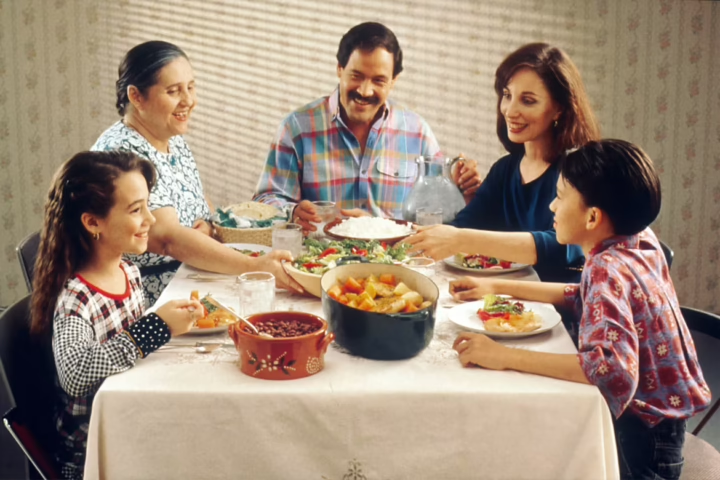
National Cancer Institute. A Hispanic family eating meal. Unsplash
By Dom Cingoranelli, Catholic Stand, June 10, 2026
Dom is a Benedictine-educated cradle Catholic—a revert to the faith—and an Oblate of St. Benedict. Recently retired from consulting to management in the CPA profession and elsewhere, he and his wife of 49+ years attempt to live according to the three pillars of Church authority–Scripture, Tradition and the Magisterium. Dom serves as a spiritual director, and an instructor in adult faith formation, among other volunteer activities for the Church.
 Good manners provide the social lubricant necessary for positive relationships and interactions. Are we giving our children the training they need in etiquette and polite manners to set them up for spiritual fruitfulness and other benefits in their lives?
The What and The How
Polite manners are the means to living effectively with others, respecting them and oneself in the process. They represent the “how”; the norms in etiquette represent the “what” required to live graciously in social contact with others.
Behaviors such as opening or holding open a door for others, or saying “please,” “thank you,” “you’re welcome,” and the like historically have been considered to be simply good manners. They’re what we were expected to do. …
Related posts


June 10, 2026
June 10, 2026