We’re taught that our mistakes don’t define us and that we can recover from our falls. If we fall down 100 times, we just need to get up 101 times.
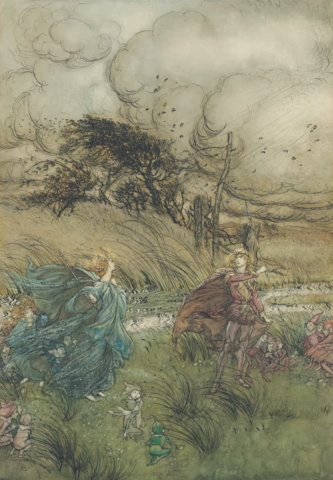
But fairy tales aren’t like that. In fairy tales, there’s one thing you cannot do at all costs. Everything depends on it. You’ve been warned, but if you fail to heed the warning, all will be lost.
Chesterton calls it “The Doctrine of Conditional Joy.” We find it in his chapter “the Ethics of Elf-land,” from his book, Orthodoxy. He describes it this way:
According to elfin ethics all virtue is in an “if.” The note of the fairy utterance always is, “You may live in a palace of gold and sapphire, if you do not say the word ‘cow”’; or “You may live happily with the King’s daughter, if you do not show her an onion.” The vision always hangs upon a veto. All the dizzy and colossal things conceded depend upon one small thing withheld. ….
This Doctrine of Conditional Joy may be the “note of the fairy utterance,” but it did not begin with fairy tales. The idea is much older than that:
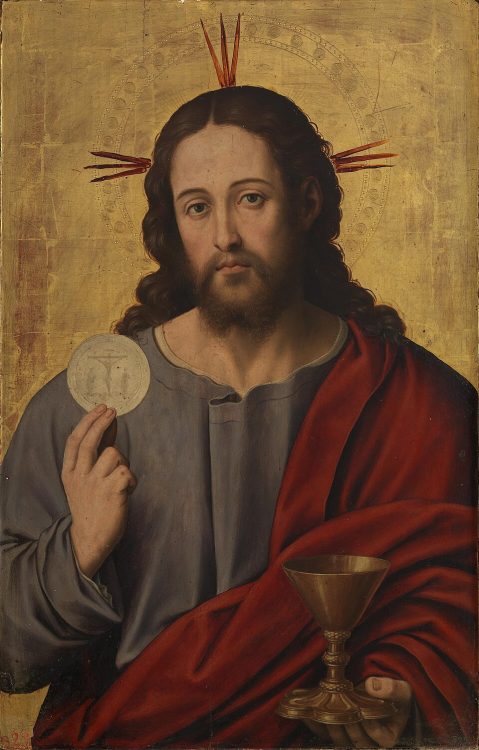
You may eat of the fruit of every tree in the garden, but of the tree of the knowledge of good and evil you shall not eat, for in the day that you eat of it you shall surely die.
That is the value of fairy tales, as Chesterton explains, fairy tales help us see the fundamental realities of human existence with fresh perspective. The things we’ve grown so accustomed to that they’ve become invisible are suddenly presented as if for the first time.
These tales say that apples were golden only to refresh the forgotten moment when we found that they were green. They make rivers run with wine only to make us remember, for one wild moment, that they run with water.
The fresh perspective of the fairy tale warnings, like, “you must be home by midnight,” shows the house rules of the garden of Eden in a new light. We can derive two important lessons from comparing our situation to the heroes of fairy tales. …