
The Republic at 250: A Crisis of Civic Memory, by Michael Smith

Founder’s Quote
December 2, 2025Pope Leo Reveals Mideast Peace Talks With Trump, Netanyahu, Other Regional Players, by Elias Turk
December 3, 2025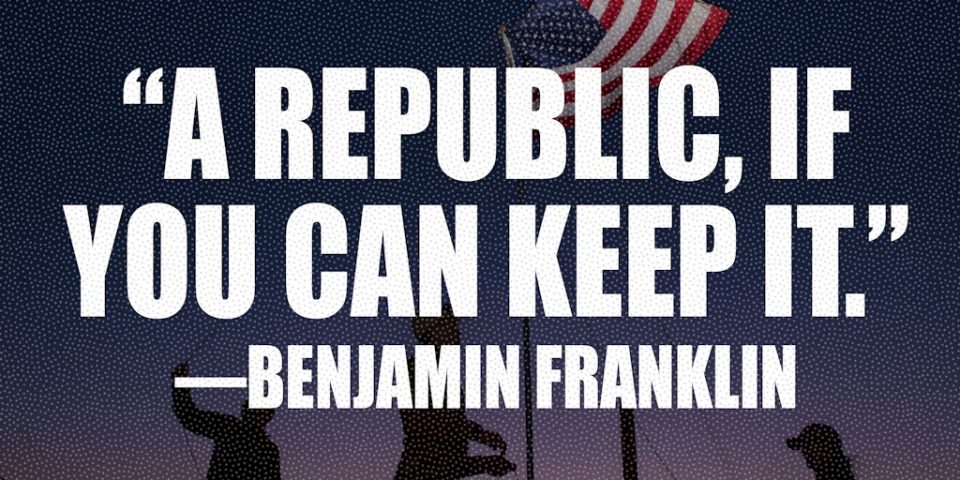
By Michael Smith, Patriot Post, December 2, 2025
America’s fading understanding of constitutional liberty is opening the door to rival ideologies eager to fill the void.

American exceptionalism has always been misunderstood. The country was never perfect, but it was — through most of its history — relatively free, prosperous, and stable. Most Americans recognized this intuitive truth; thus, the nation remained largely impervious to utopian calls for “revolution.” The lived experience of raising families, building communities, and passing knowledge and wealth to the next generation created a natural immunity to radical politics. For revolutions to take root, a population must be divided by class and convinced that the existing system is intolerable. In an America still governed by reason and truth, that case was difficult to make. ….
Related posts
January 9, 2026

January 9, 2026


January 9, 2026