

Wise Men from the East and the Solemnity of the Epiphany of the Lord, by Sandra Miesel

Truths Behind the Somali Fraud Scandal, by John Cassara
January 6, 2026
Patriot Post: Tuesday Executive News Summary
January 7, 2026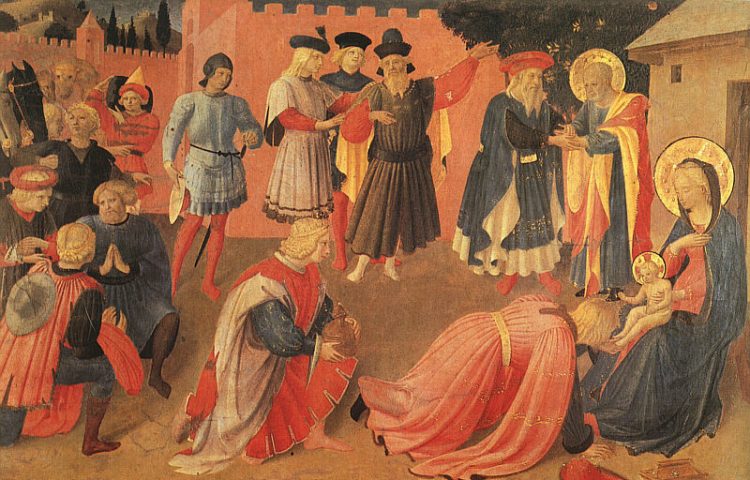
Fro_Angelico_Adoration_of_the_Magi. Artist: Fra Angelico (circa 1395–1455). A painting that is in the public domain because of its age. Wikimedia
By Sandra Miesel, Catholic World Report, Jan. 6, 2026
Sandra Miesel is an American medievalist and writer. She is the author of hundreds of articles on history and art, among other subjects, and has written several books, including The Da Vinci Hoax: Exposing the Errors in The Da Vinci Code, which she co-authored with Carl E. Olson, and is co-editor with Paul E. Kerry of Light Beyond All Shadow: Religious Experience in Tolkien’s Work (Fairleigh Dickinson University Press, 2011).
Who were these gift-bearing kings, these Wise Men of the East? What has their mission meant to Christians across the ages?
We Three Kings of Orient are,
 The Wise Men—not yet called kings—make only a single appearance in Holy Scripture. St. Matthew’s Gospel (Mt 2:1-12) tells of their arrival in Jerusalem shortly after the birth of Jesus. They have come seeking the newborn King of the Jews because they had seen his star rise in the East. Herod, the current ruler, knows nothing of an upstart princeling but learns that prophecies place him in Bethlehem. Herod directs the Wise Men to search there for the Child and keep him informed. Following their star, the Wise Men find Jesus with his Mother. They worship him and bestow gifts of gold, frankincense, and myrrh. Warned by an angel, they do not reveal the Child’s location to jealous Herod but return secretly to their own land.
Related posts
March 30, 2026
March 30, 2026


March 30, 2026